


GPS Survey Equipment 101: What to Know Before You Buy
Are you in the market for GNSS survey equipment but feeling overwhelmed by the options and technical jargon? You're not alone. GNSS survey equipment is a game-changer in various fields, offering unprecedented accuracy in geographical data collection.
Whether it's for construction, agriculture, or environmental research, understanding the basics of this technology is crucial before making a purchase. This guide aims to demystify GNSS survey equipment, highlighting what you need to know about its functionality, key features, and how to choose the right equipment for your project.
Let's dive into the world of GNSS survey equipment and explore how it can revolutionize your surveying tasks.
What is GNSS Survey Equipment?
GNSS survey equipment refers to the advanced technological tools and systems utilized for capturing precise geographical location data on the Earth's surface. This equipment leverages the global navigation satellite system (GNSS), a network of satellites orbiting the Earth, to provide accurate positioning and timing information.
The primary goal of GNSS survey equipment is to facilitate a wide range of applications, from land surveying and mapping to construction and agricultural planning, by offering detailed and accurate geographical data. At the heart of this type of equipment is its ability to provide real-time data for pinpointing exact locations, which is crucial for tasks requiring high precision, such as boundary surveys, topographic surveys, and infrastructure development projects.
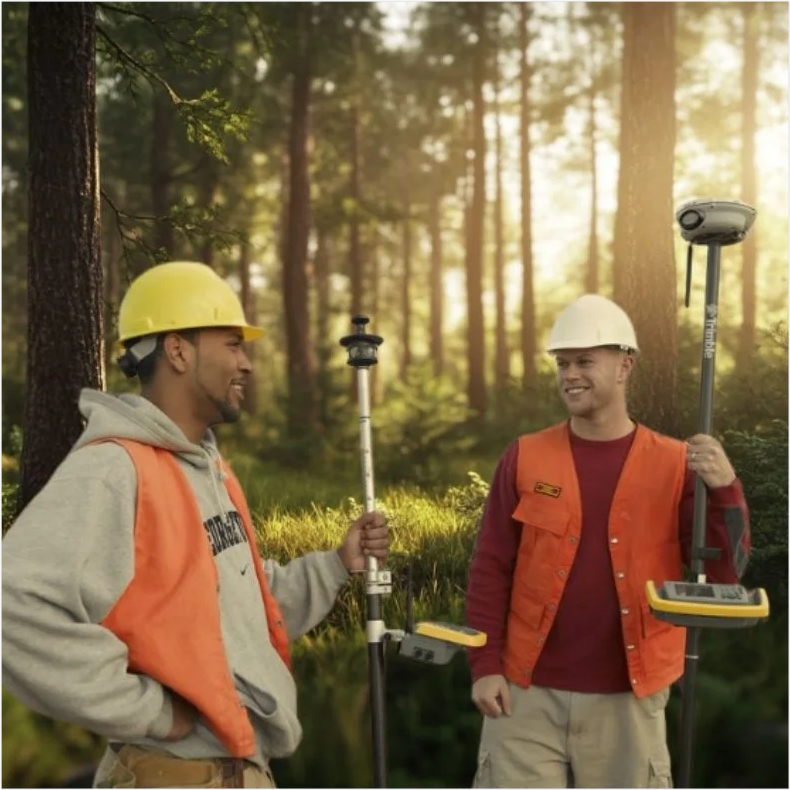
The equipment includes a variety of components, such as receivers, antennas like the Trimble R980 GNSS Receiver, and data collectors, which work together to capture and process GNSS signals. These components are designed to be highly sensitive and capable of operating in diverse environments, ensuring reliable data collection even under challenging conditions.
The significance of GNSS survey equipment lies in its transformation of traditional surveying methods. By harnessing the power of satellite technology, it offers a level of accuracy and efficiency that was previously unattainable with conventional tools. Whether for constructing a new building, managing agricultural lands, or conducting environmental research, GNSS survey equipment stands as a cornerstone technology that enhances the accuracy, reliability, and efficieors-field-softwarency of spatial data collection and analysis.
Key Features To Look For In GNSS Survey Equipment
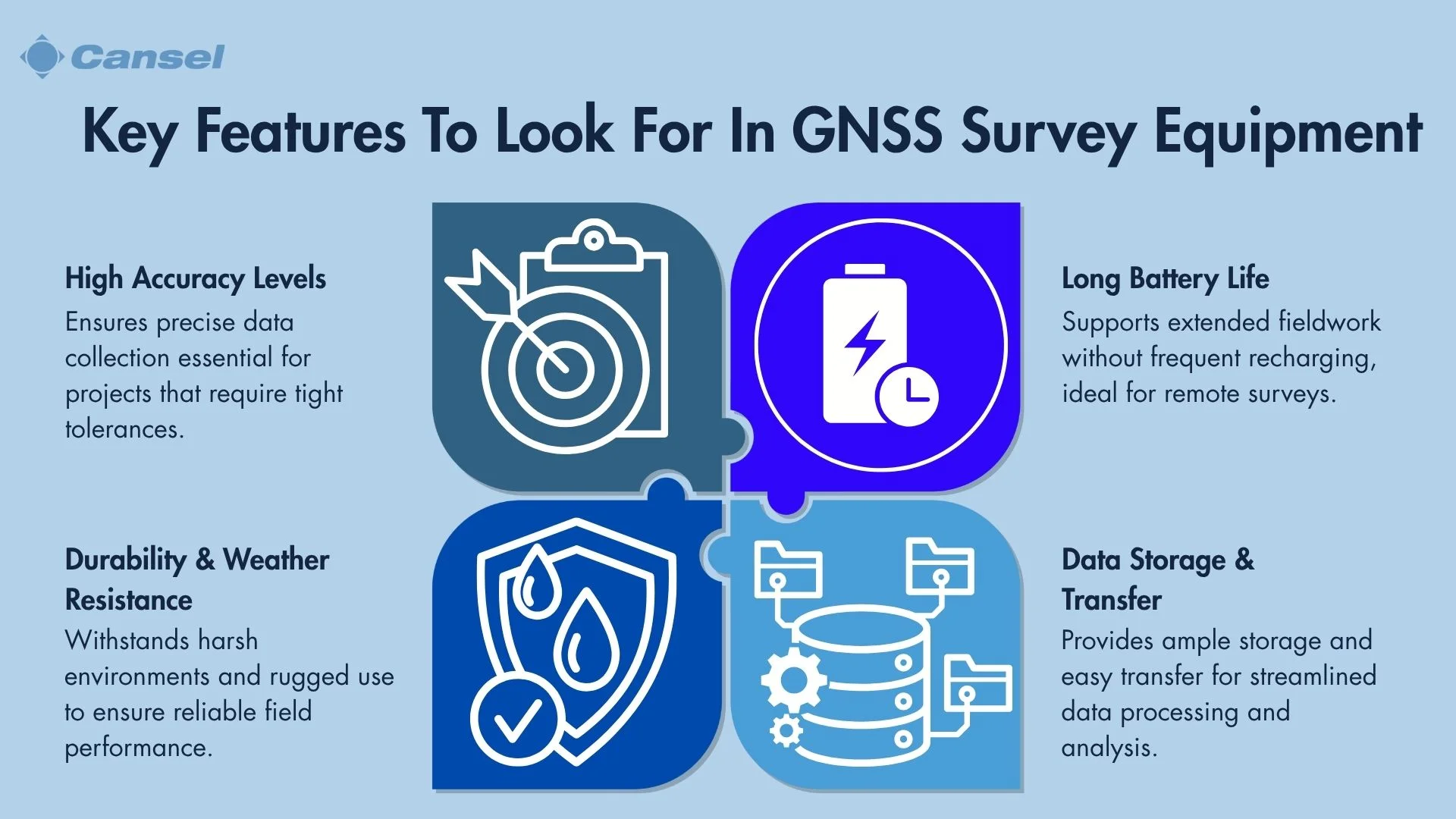
When selecting GNSS survey equipment, understanding its key features is essential for ensuring that it meets the specific needs of your project. The accuracy levels of the equipment are paramount, as they determine how precise the geographical data collected will be. Durability and weather resistance are also crucial features, ensuring that the equipment can withstand harsh environmental conditions.
Another important aspect is the battery life and power options of the equipment, as these are necessary for extensive fieldwork. Data storage and transfer capabilities also play a significant role in the efficiency of GNSS survey equipment.
These features are integral to the functionality and effectiveness of GNSS survey equipment. Let’s go into further detail to learn how they impact your surveying.
Accuracy levels
Accuracy levels in GNSS survey equipment critically influence the precision of geographical data collection. High accuracy in devices like a GNSS receiver is indispensable for applications that demand strict tolerances, ensuring that collected data supports accurate decision-making and successful project outcomes.
Durability and weather resistance
Durability and weather resistance are essential for the longevity and consistent operation of GNSS survey equipment in varied environments. Equipment built to withstand adverse weather conditions and rugged use is crucial for fieldwork, guaranteeing reliability across diverse survey scenarios.
Battery life and power options
Extended battery life and versatile power options are vital for maintaining uninterrupted field operations. The capacity to conduct surveys over prolonged periods without frequent recharging or battery changes enhances productivity and operational efficiency, especially in remote locations.
Data storage and transfer capabilities
Robust data storage and seamless transfer capabilities are key to the efficient management of the large volumes of data collected during surveys. Sufficient storage capacity, combined with the ability to effortlessly transfer data to analysis software or systems, streamlines the workflow from field collection to data analysis, facilitating a smoother transition from raw data to actionable insights.
Types Of GNSS Survey Equipment
GNSS survey equipment comes in various forms, each designed to meet specific surveying needs and project requirements. Handheld GNSS units are portable and user-friendly, ideal for individual surveyors or small teams needing mobility and ease of use in diverse environments. Meanwhile, GNSS rovers offer enhanced accuracy and are commonly used for more detailed surveying tasks, where precision is paramount.
They are often paired with a base station, which serves as a fixed reference point, further improving the accuracy of data collected by the rover. Each type of equipment plays a crucial role in the field of geospatial data collection, offering solutions tailored to the complexity and scale of the project at hand.
Handheld GNSS units
Handheld GNSS units are tailored for portability and straightforward operation, making them perfect for surveyors and professionals seeking mobility and simplicity during fieldwork. Handheld units such as the Trimble TDC6 Data Collector paired with the Catalyst DA2 Receiver shine in scenarios requiring quick assessments, navigation, and mapping across varied terrains, offering a balance of convenience and functionality.
GNSS rovers
GNSS rovers elevate the precision and accuracy of surveying tasks. When synchronized with base stations, they deliver unparalleled accuracy, indispensable for projects where exactitude is paramount. These units are critical in environments where detailed, accurate data collection forms the backbone of the surveying work.
Base stations
Base stations serve as the cornerstone for high-accuracy GNSS surveying, providing a fixed reference point that significantly enhances the precision of data collected by GNSS rovers. Their role is fundamental in achieving the highest levels of accuracy required for complex surveying projects, ensuring data reliability and integrity.
Choosing GNSS Survey Equipment
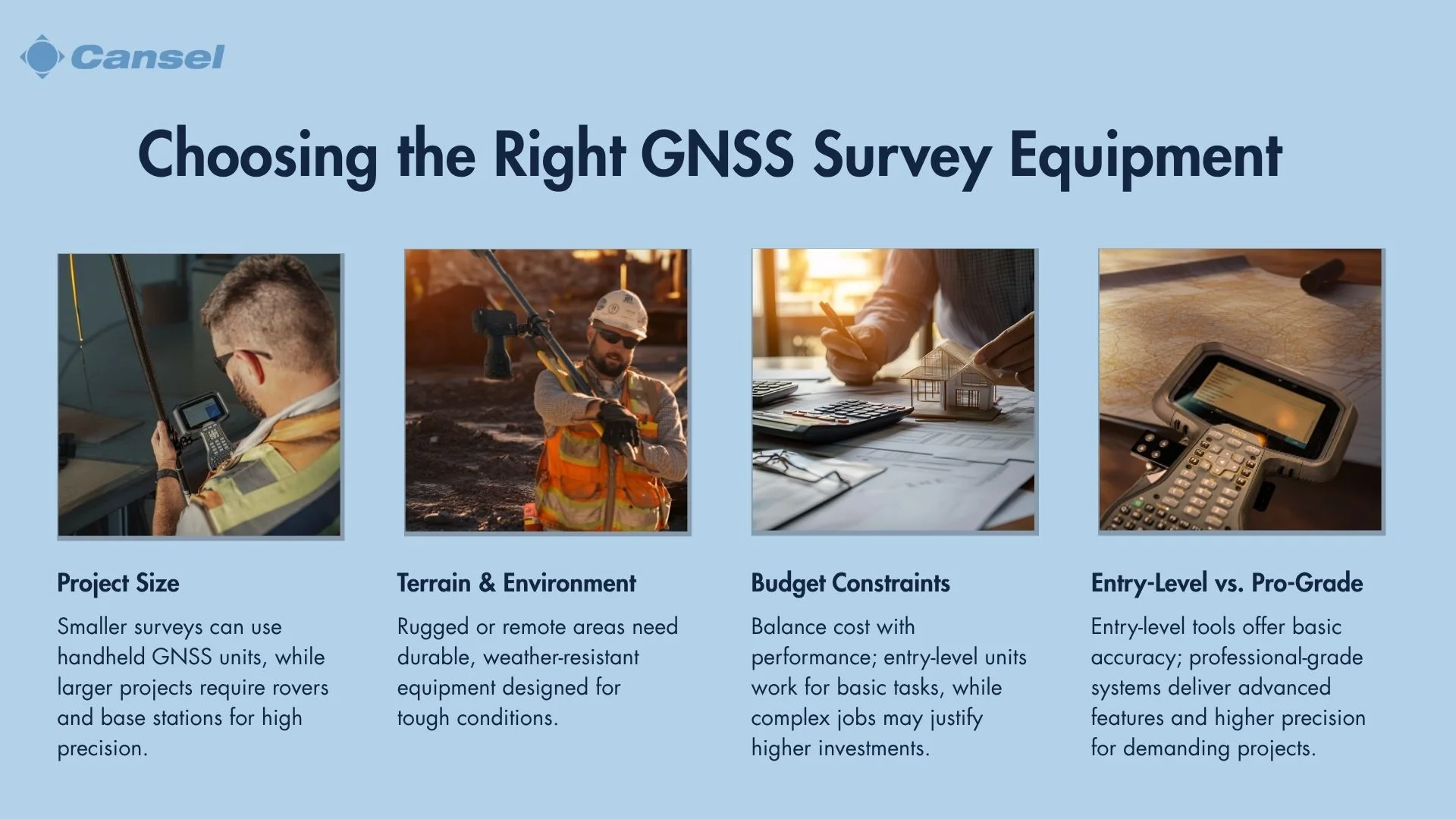
Selecting the right GNSS survey equipment involves considering several key factors tailored to the specific needs of your project. The size of the project dictates the scale of equipment required, from simple handheld units for small-scale surveys to more sophisticated GNSS rovers and base stations for extensive mapping tasks
Environment and terrain challenges also play a critical role, as rugged or remote areas might necessitate more durable and advanced equipment capable of precise data collection under challenging conditions. Budget constraints must be balanced against the need for accuracy and functionality, with options ranging from entry-level to professional-grade equipment available to suit various financial considerations.
Lastly, the choice between entry-level and professional-grade options depends on the project's complexity and the precision level required, with professional-grade equipment offering higher accuracy and more features at a higher cost. Understanding these factors ensures that the right GNSS survey equipment is selected, balancing cost, functionality, and project requirements to achieve optimal surveying results.
Considering project size
Project size significantly influences the choice of GNSS survey equipment. Smaller projects may be well-served by handheld GNSS units for efficient data collection, whereas larger, more complex surveys might necessitate the enhanced accuracy and capabilities of GNSS rovers and base stations.
Environment and terrain challenges
The environment and terrain where the survey will be conducted dictate the durability and features needed in GNSS survey equipment. It is crucial to select equipment that can withstand and operate effectively in the specific conditions of the survey site, whether it be rugged, remote, or subject to severe weather.
Budget constraints
Budget constraints play a pivotal role in the selection of GNSS survey equipment. It is essential to balance cost with the need for accurate and reliable data collection, with a spectrum of options available, ranging from more affordable entry-level units to sophisticated, professional-grade systems, to meet various budgetary needs.
For those facing tighter financial limits, renting GNSS equipment can be a cost-effective alternative, especially for short-term projects or when access to the latest technology is required without upfront investment. Additionally, the Cansel Elite Survey Equipment Program offers a flexible, long-term rental model (12–36 months) tailored to startups or growing companies that need reliable equipment for larger jobs but may not be ready to purchase outright.
Entry-level vs. professional-grade options
The decision between entry-level and professional-grade GNSS survey equipment hinges on the project's demands for precision and functionality. While entry-level options may suffice for basic surveying needs, professional-grade equipment offers the enhanced accuracy and advanced features necessary for complex and detailed surveying tasks.
Software Compatibility and GNSS Usage
The effectiveness of GNSS survey equipment is significantly enhanced by its compatibility with various software applications. Compatibility with mapping software is crucial for translating raw data into usable maps and models, enabling surveyors to conduct analyses and make informed decisions based on the geographical information collected. Similarly, integration with CAD and GIS systems is essential for a seamless workflow, allowing for the efficient design, planning, and management of projects within a spatial context.
This interoperability between GNSS survey equipment and software applications ensures that data is not only accurately collected but also effectively utilized, maximizing the potential of geospatial technologies in various professional fields.
Compatibility with mapping software
Compatibility with mapping software is paramount for GNSS survey equipment, facilitating the transformation of raw geographical data into comprehensive maps and analytical models. This feature enables surveyors and professionals to effectively visualize and analyze spatial information, thereby supporting informed decision-making and meticulous project planning.
Integration with CAD and GIS systems
Integration with CAD and GIS systems significantly enhances the functionality of GNSS survey equipment by enabling the flow of field data into design, planning, and spatial management platforms.
However, this integration isn’t always seamless out of the box, as differences in software standards, file formats, and workflows can lead to inefficiencies and errors if not managed properly. This makes field-to-finish platforms like Cansel’s Can-Flow crucial for efficient surveying. A comprehensive platform that standardizes workflows, it eliminates the need for reverse-engineering processes or reformatting data by enabling consistent, traceable, and structured data flow between field crews, project managers, and engineers.
Ongoing Costs of GNSS Equipment
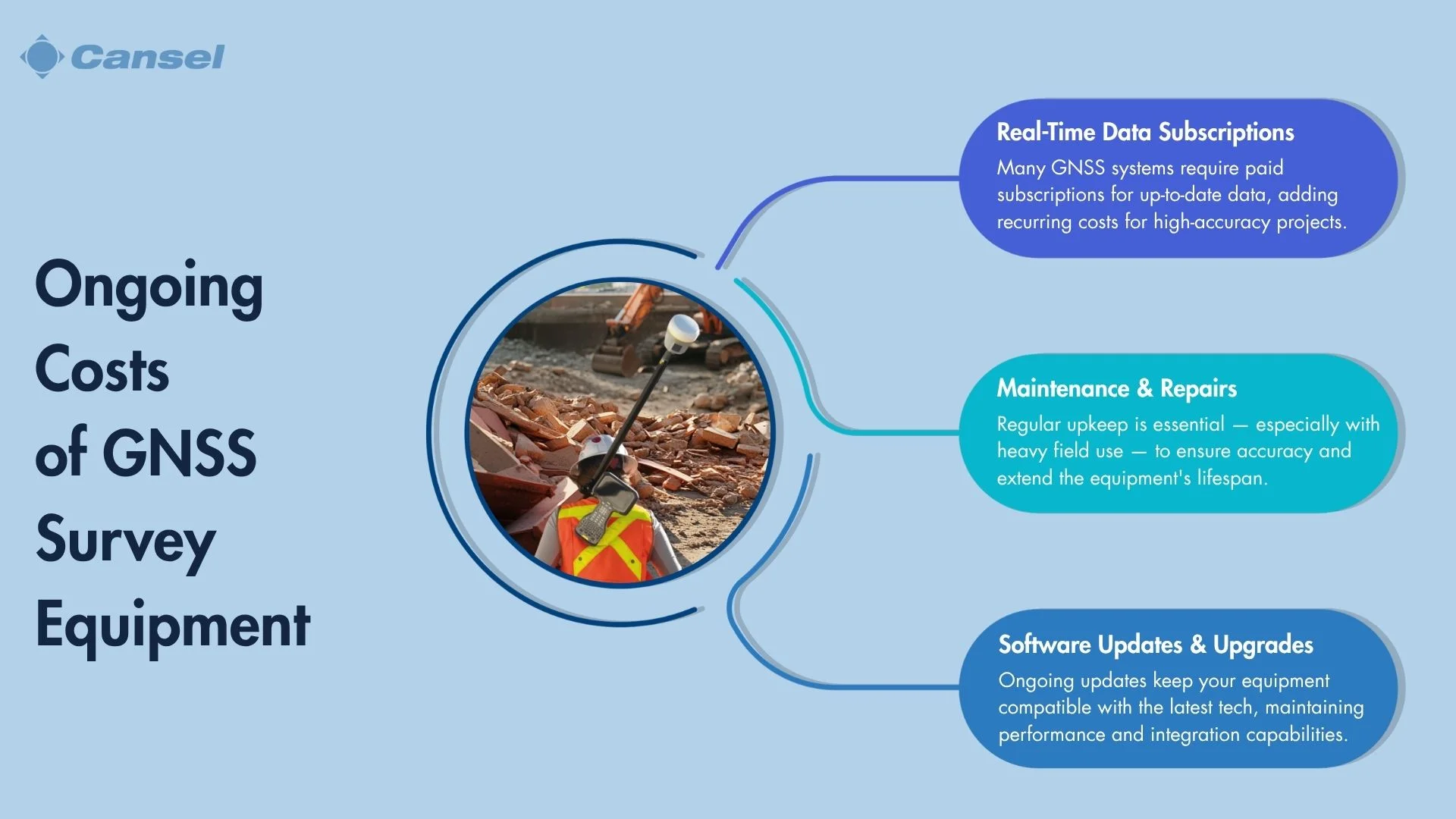
Investing in GNSS survey equipment involves not only the initial purchase price but also consideration of the ongoing costs associated with its use. Subscription services for real-time data are often necessary for projects requiring up-to-the-minute accuracy, adding a recurring expense. Additionally, maintenance and repair expenses can arise, especially with extensive or rugged use, to ensure the equipment remains operational and accurate.
Regular software updates and upgrades are also crucial for keeping the equipment compatible with the latest technologies and standards, which may involve additional costs. Understanding these ongoing expenses is essential for budgeting accurately and ensuring the long-term viability and effectiveness of GNSS survey equipment in professional applications.
Subscription services for real-time data
Subscription services for real-time data are indispensable for projects requiring the utmost current geographical information. These services guarantee that GNSS survey equipment delivers the latest data, crucial for precision-dependent tasks. However, they add a recurring cost that needs to be accounted for in the project's budget.
Maintenance and repair expenses
Maintenance and repair expenses become a necessity with the consistent use of GNSS survey equipment, particularly in challenging or rugged terrains. Investing in these costs is vital for maintaining the equipment's optimal performance, ensuring the accuracy of data collection, and extending the devices' operational life.
To help manage these critical upkeep expenses more effectively, consider enrolling in the Cansel Protection Plan (CPP), which is specifically designed to go beyond standard manufacturer warranties and keep your equipment running smoothly.
With CPP, you gain access to benefits like parts and labour coverage, expedited priority repairs, and free loaner equipment during service, minimizing downtime and helping you avoid costly project delays. The plan also includes a “No Lemon” guarantee, discounts on non-covered repairs, and accessory coverage when purchased with the original equipment.
Regular software updates and upgrades
Regular software updates and upgrades play a crucial role in keeping GNSS survey equipment relevant and compatible with the latest technological advancements and standards. By staying updated with the right warranties, the equipment remains capable of seamless integration with other systems and applications, thereby enhancing its functionality and prolonging its serviceability.
Purchasing GNSS Survey Equipment
When purchasing GNSS survey equipment, it's essential to explore various avenues to find the best fit for your specific needs. Online retailers and customer reviews offer a wealth of information and insights from actual users, helping to gauge the performance and reliability of different models.
Specialty surveying equipment stores provide expert advice and may offer demonstrations, allowing for a hands-on evaluation before making a decision. Additionally, buying direct from manufacturers can sometimes secure better deals or exclusive models not available elsewhere.
It's also important to consider the warranty and support benefits that accompany the purchase, as these can significantly impact the long-term value and usability of the equipment. Each of these purchasing options comes with its own set of advantages, and weighing them carefully can lead to a more informed and satisfactory investment.
Online retailers and customer reviews
Exploring online retailers and customer reviews offers a comprehensive perspective on the diverse range of GNSS survey equipment available. These platforms provide invaluable insights into user experiences, facilitating comparisons of performance and reliability across various models and brands.
Specialty surveying equipment stores
Specialty surveying equipment stores specialize in offering deep insights and personalized consultations. They often feature demonstrations, enabling potential buyers to witness the equipment's functionality up close, ensuring a more informed purchase decision.
Expert advice and demonstrations
Leveraging expert advice and demonstrations can be pivotal in selecting the right GNSS survey equipment. These resources offer a practical look at how different models perform under real-world conditions, aligning equipment capabilities with project requirements.
Direct from manufacturers
Buying direct from manufacturers presents opportunities for accessing the latest technology, exclusive deals, and direct support. This route often provides detailed product knowledge and customization options, tailored to specific surveying needs.
Warranty and support benefits
Evaluating the warranty and support benefits is essential for safeguarding your investment. Look for manufacturers or software solution providers with support plans and warranties that span several years. For example, Cansel offers a comprehensive customer support plan to guarantee long-term satisfaction and reliability, ensuring the equipment remains a valuable asset for future projects.
Comparing Brands And Models
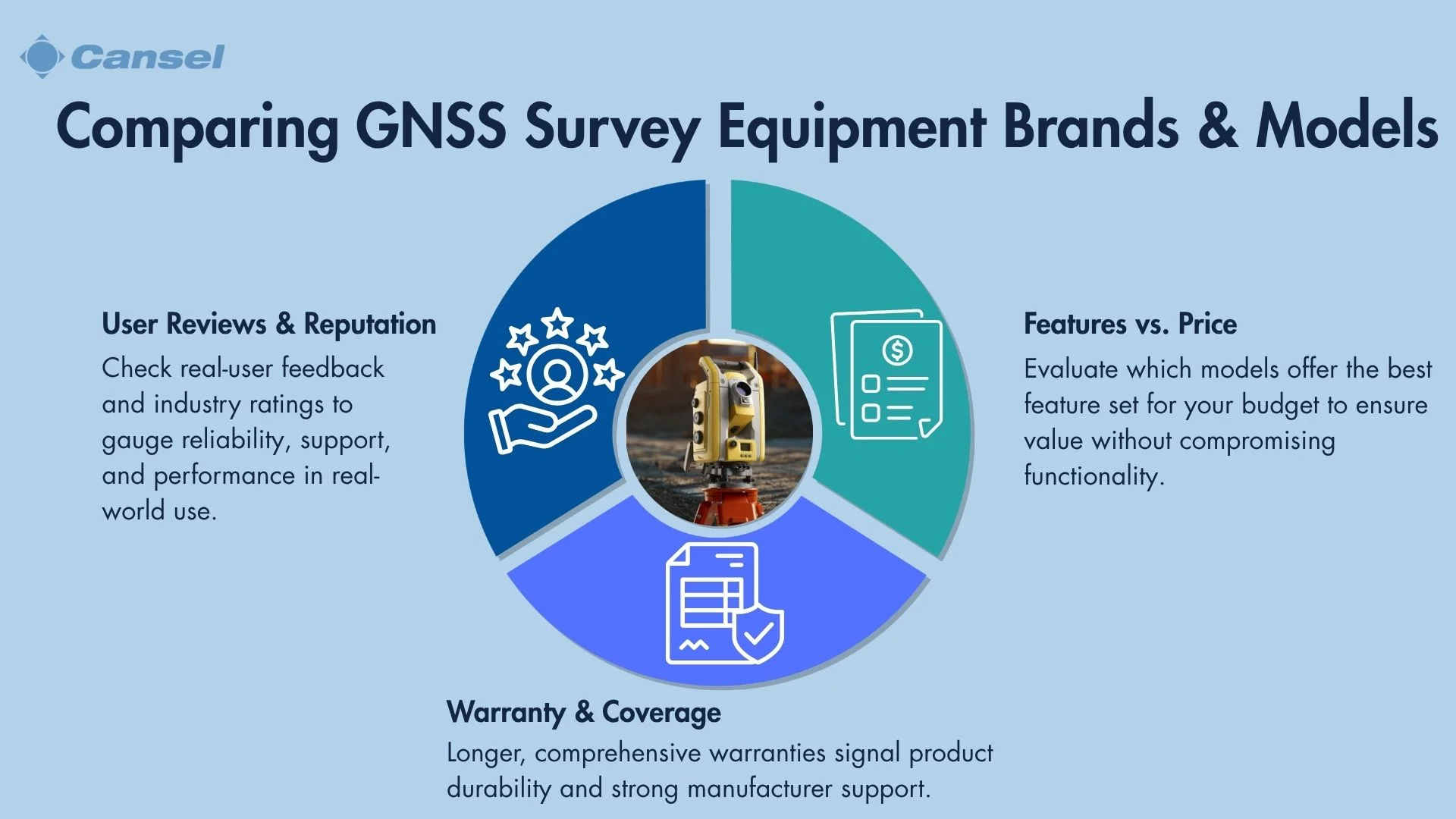
When investing in GNSS survey equipment, a thorough comparison of brands and models is crucial to ensure you select the best tools for your needs. User reviews and industry reputation serve as valuable resources, offering insights into the reliability and performance of different equipment. Additionally, assessing the warranty length and coverage details can provide an indication of the manufacturer's confidence in their product and the level of support you can expect.
Finally, a careful comparison of features vs. price allows for an evaluation of the value offered by each option, ensuring that the chosen equipment delivers the necessary capabilities within your budget constraints. By meticulously comparing these aspects, you can make an informed decision that balances cost, functionality, and long-term reliability.
User reviews and industry reputation
User reviews and industry reputation play a pivotal role in gauging the reliability and efficiency of GNSS survey equipment. Insights from actual users provide invaluable real-world experiences, while a brand’s standing within the industry mirrors its dedication to quality and customer service.
Warranty length and coverage details
Evaluating the warranty length and coverage details sheds light on a manufacturer's confidence in their equipment. Extended warranty periods and inclusive coverage are indicators of a brand’s commitment to supporting their product and ensuring its longevity, crucial for safeguarding your investment.
Comparison of features vs. price
Comparison of features vs. price is crucial for determining the overall value offered by different GNSS survey equipment models. This analysis ensures that the selected equipment not only fits within your budget but also meets or exceeds project specifications, delivering the best balance of cost and functionality.
Getting A Good Deal On GNSS Equipment
Securing a good deal on GNSS survey equipment requires a strategic approach, starting with price comparisons and feature analysis to ensure you're getting the best value for your investment. Discounts, promotions, and seasonal sales can significantly reduce costs, making it essential to stay informed about potential savings opportunities. Considering used or refurbished equipment is another viable option for budget-conscious buyers, offering access to high-quality technology at a fraction of the cost.
However, it's crucial to assess the warranty and condition of such equipment to ensure it meets your project's requirements without compromising on performance. By carefully considering these factors, you can make a cost-effective purchase that aligns with your surveying needs and budget constraints.
Price comparisons and feature analysis
Price comparisons and feature analysis are critical steps in securing the best value for GNSS survey equipment. Evaluating the cost in relation to the features and performance of various models can pinpoint the most economically efficient choice for your specific requirements.
Discounts, promotions, bundles, and seasonal sales
Discounts, promotions, bundles and seasonal sales present valuable opportunities to acquire GNSS survey equipment at a lower price. For example, the Trimble R580 Receiver Bundle comes with free RTX for a year, saving costs on correction services. Keeping an eye on these deals can enable significant savings, potentially allowing for the purchase of superior models within the same budget.
Used or refurbished equipment considerations
Exploring used or refurbished equipment is a savvy strategy for those looking to maximize their budget. This approach can offer access to high-quality, advanced technology at a reduced cost. However, it's important to meticulously check the equipment's condition and secure a trustworthy warranty to ensure reliability and longevity.
For trusted options, Cansel’s Pre-Owned Equipment section offers a curated selection of inspected, professionally serviced tools backed by industry expertise, making it easier to invest confidently.
Warranty and condition of the equipment
The warranty and condition of the GNSS survey equipment are paramount, especially when considering used or refurbished items. A comprehensive warranty provides assurance, safeguarding your investment against possible malfunctions and facilitating sustained performance over time.